Water Damage Restoration in Denver, CO — 24/7 Extraction, Drying & Cleanup
When water is spreading through your property, you need more than a generic cleanup crew. You need a local team that can help identify the source, coordinate the plumbing repair, remove standing water, dry hidden moisture, document the conditions, and guide you through the next steps. Larimer Denver Plumbers provides water damage restoration Denver homeowners, property managers, and businesses can call for burst pipes, basement flooding, sewer backups, appliance leaks, ceiling leaks, and other plumbing-related water emergencies.
- 24/7 water removal for homes & businesses
- Water extraction, moisture inspection & drying
- Burst pipes, frozen pipes & appliance leaks
- Sewer backup assessment & safety guidance
- 50 skilled pros & 10 equipped service vans
- Property-condition documentation for records
Call (720) 343-5151 for emergency water damage restoration in Denver, CO. What to do right now: if water is still flowing and it is safe to act, shut off the nearest fixture valve or your home's main water supply.
Request Water Damage Response
Fill out the form and our team will contact you immediately!
Instant Service Credit & Discounts AvailableWhat to Do Right Now
If water is still flowing and it is safe to act, shut off the nearest fixture valve or your home's main water supply. Stay away from wet electrical equipment or outlets, do not enter standing water near electrical hazards, move valuables out of harm's way, take photos, and call for help. If water is coming from a toilet, floor drain, or sewer line, avoid DIY cleanup because it may be contaminated.
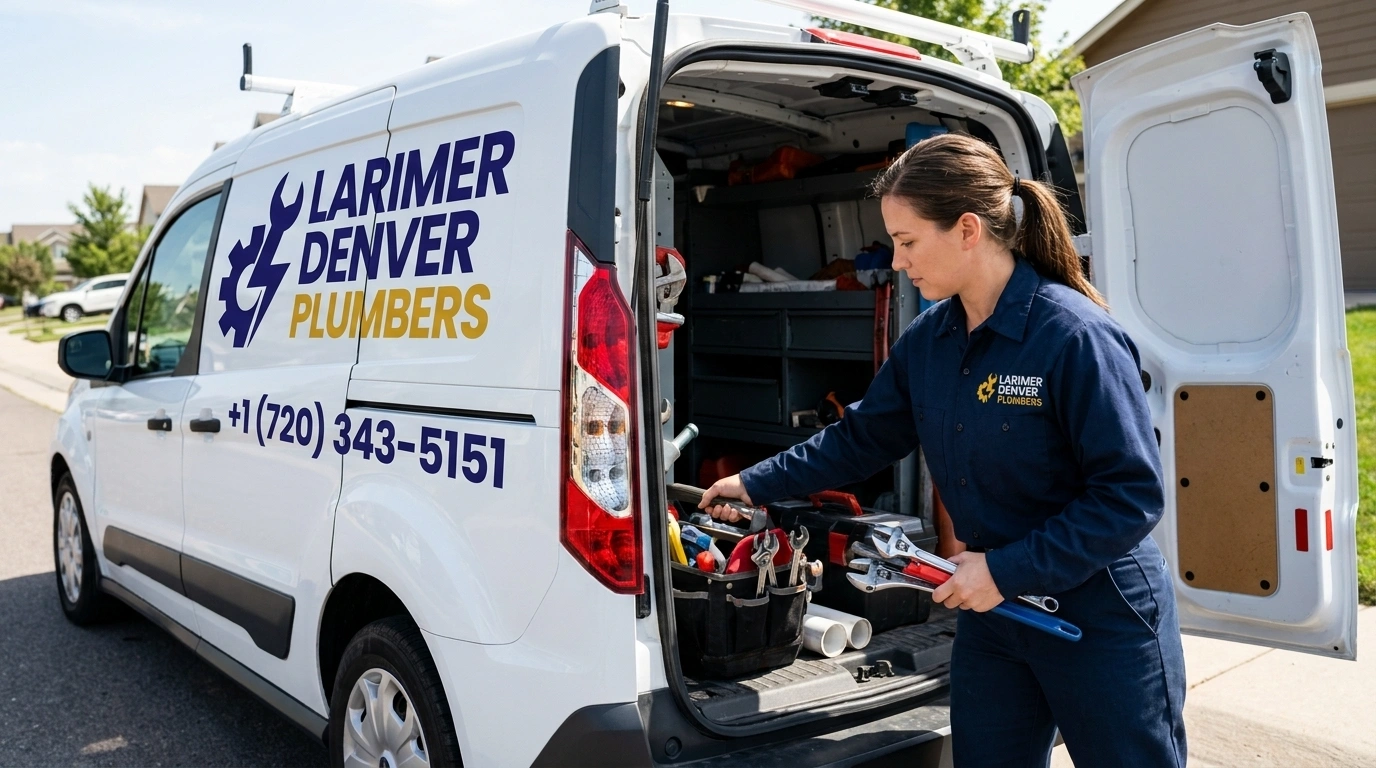
Water Damage Restoration Backed by 30+ Years of Experience
Water damage can affect much more than a visible puddle. Moisture can travel beneath flooring, behind baseboards, into wall cavities, around cabinetry, and through insulation. A fast, informed response helps limit damage, reduce disruption, and give you a clearer record of what happened. Larimer Denver Plumbers combines emergency plumbing knowledge with water-damage response support—addressing common causes such as burst pipes, water-line leaks, failed water heaters, overflowing fixtures, clogged drains, and sewer problems while focusing on the steps needed to remove water and identify hidden moisture.
Water Damage Restoration Near Denver Landmarks, Neighborhoods & Business Hubs
Water emergencies do not wait for a convenient location or time. Whether a burst pipe affects a condo near Cherry Creek, a water heater leaks in a Capitol Hill apartment, a drain backs up at a restaurant near Union Station, or a basement takes on water near Washington Park, Larimer Denver Plumbers is ready to help assess the situation and coordinate the right response. We serve water-damage emergencies throughout Denver and nearby communities, including properties near Denver Union Station, Larimer Square, the Colorado State Capitol, City Park, Denver Botanic Gardens, Coors Field, Ball Arena, Empower Field at Mile High, the Denver Art Museum, and major commercial corridors across the metro area.
Denver Neighborhoods We Serve
Nearby Cities & Metro Denver Communities
Specialized Water Extraction, Moisture Inspection, Drying & Plumbing-Source Support
A wet carpet, stained ceiling, soaked cabinet base, or flooded basement can look like a simple cleanup issue. In reality, the right response depends on the water source, the amount of time materials have remained wet, the affected building materials, the presence of contamination, and whether the original plumbing or drainage problem has been stopped. Larimer Denver Plumbers helps identify and address plumbing-related water losses with a structured process—distinguishing between a relatively contained clean-water leak and a potentially contaminated event such as a sewer backup.
Plumbing-Source Assessment
For pipes, fixtures, water heaters, drains, sewer lines, and supply lines.
Water Removal & Evaluation
Water extraction and moisture-focused evaluation for affected rooms and materials.
Sewer Camera Inspection
Coordinated sewer camera inspection and drain cleaning when a backup is involved.
Material Recommendations
Practical guidance for wet drywall, carpet, cabinets, flooring, insulation, and baseboards.
Documentation
Records that help you communicate with insurers, landlords, or property managers.
Full Plumbing Support
Coordination with leak detection, pipe repair, and sewer line repair.
Common Problems Denver Homeowners and Businesses Face — and Why Fast Action Matters
Water damage may begin suddenly with a burst pipe, washing-machine hose failure, overflowing toilet, water-heater leak, dishwasher leak, refrigerator line failure, or sewer backup. It can also develop more gradually through a hidden water-line leak, slab leak, roof intrusion, foundation seepage, or drain problem. Denver residents often search for the symptom before they know the cause: "water everywhere after a pipe burst," "my basement is taking on water," "water is coming up from the floor drain," or "why is my ceiling leaking after rain?"
Hidden Moisture
Moisture beneath floors, behind walls, and inside cabinets.
Material Damage
Damage to drywall, carpet, hardwood, laminate, insulation, and trim.
Musty Odors
Conditions that may contribute to microbial growth when materials stay wet.
Electrical Hazards
Electrical and slip hazards around standing water.
Contamination Risk
Sewage-related contamination risks after drain or sewer backups.
Higher Repair Costs
When a leak, clog, or intrusion source remains unresolved.
Business Interruption
For restaurants, offices, retail, multifamily, and commercial facilities.
Freeze-Thaw Cracks
Repeated freezing and thawing can create cracks and weak spots in water systems.
Local Note: Denver Water notes that repeated freezing and thawing can create cracks and weak spots in water systems. The City and County of Denver also advises that rainstorms and wet winters can contribute to localized flooding, especially in lower-lying areas or where drainage cannot keep up with intense rainfall.
Protect Your Denver Property Before a Leak Becomes a Larger Loss
Not every water emergency can be prevented, but routine plumbing maintenance can reduce the risk of preventable failures. Proactive inspections are especially useful for properties with older supply lines, aging water heaters, recurring drain issues, finished basements, irrigation systems, long-term rental use, or previous water-damage history. Larimer Denver Plumbers can inspect plumbing components that commonly contribute to water damage.
| Maintenance Task | What It Involves | Recommended Timing | Potential Benefit |
|---|---|---|---|
| Water-Heater Inspection | Check connections, valves, visible corrosion, drainage, operating condition | Annually or as recommended | Helps identify leaks or aging components |
| Supply-Line Review | Inspect visible hoses and fixture connections | During maintenance visits | Can identify worn or leaking connections |
| Drain & Sewer Assessment | Evaluate recurring clogs, slow drains, or backup warning signs | As symptoms occur or preventively | Identifies restrictions before a backup |
| Sewer Camera Inspection | Inspect the inside of a sewer line | For recurring backups or older properties | Reveals roots, breaks, offsets, or blockages |
| Sump-Pump Service | Test operation and inspect discharge setup | Before wet-weather seasons | Supports basement-water management |
| Freeze-Prevention Review | Assess exposed plumbing and exterior water components | Before cold weather | Helps reduce frozen-pipe risk |
Seasonal Planning for Denver
- Before winter: Protect exposed plumbing, prepare exterior water systems, address known leaks.
- During freeze-thaw weather: Watch for reduced flow, no water on one side of the property, damp walls, dripping ceilings.
- Before spring/summer storms: Check downspouts, grading, drainage routes, sump-pump operation.
- After heavy rain: Look for water seepage, floor-drain backup, wet carpet, new wall stains, or musty odors.
When to Call for Assessment
Maintenance can reduce risk, but it cannot guarantee that no water loss will occur. If you notice active leaking, standing water, a sewer smell, slow drains throughout the property, or water coming up from a floor drain, call for assessment rather than waiting for the next scheduled visit.
Coordinated sump pump service and water heater service are available.
Who Needs Water Damage Restoration in Denver?
Water damage can affect almost any type of property. The response should match the building, water source, occupancy needs, and affected materials. Larimer Denver Plumbers helps coordinate water-damage response for a wide range of Denver property types. For renters, the first call may also need to be to the landlord, property manager, or emergency maintenance line—take photos, protect belongings if safe, and keep copies of communication and receipts.
Single-Family & Townhomes
Homes and townhouse properties.
Condos & Apartments
Condominium buildings and apartment communities.
HOAs & Managed Communities
Homeowner associations and managed residential communities.
Rentals & Landlords
Rental properties and landlord-managed buildings.
Restaurants & Cafes
Food-service businesses and hospitality kitchens.
Retail & Offices
Retail stores, shopping centers, and professional buildings.
Hotels & Hospitality
Hotels and hospitality properties.
Industrial & Warehouse
Warehouses, industrial spaces, and commercial facilities.
Freeze–Thaw Swings, Stormwater, Older Infrastructure & Everyday Wear
Denver's Front Range climate creates conditions that can affect plumbing systems and property drainage. Sudden cold snaps, thawing temperatures, heavy rain, snowmelt, seasonal irrigation changes, and older infrastructure can expose weaknesses in pipes, drains, exterior fixtures, and basement waterproofing systems. A property-specific assessment is the right way to determine the cause—do not assume that all basement water is a plumbing leak, all drain backups are city-sewer problems, or all wet walls are foundation failures.
Winter
Frozen water lines may restrict flow or burst as temperatures rise. Exterior faucets, irrigation, and unheated spaces need seasonal attention. A pipe may not visibly leak until thawing begins.
Spring & Summer
Heavy rain can overwhelm local drainage and contribute to basement seepage. Snowmelt and saturated soil may reveal grading, downspout, or foundation-drainage problems.
Older Homes
Historic Denver neighborhoods may include older plumbing systems and sewer laterals. Mature trees can contribute to root intrusion in aging sewer lines.
Warning Signs
Recurring slow drains, gurgling fixtures, multiple fixtures backing up, or water rising from a floor drain may indicate a main-line issue needing professional diagnosis.
Common Causes of Water Damage in Denver Homes and Businesses
Different water events require different safety steps, repair priorities, and drying methods. Larimer Denver Plumbers can help identify the likely cause and coordinate the appropriate plumbing, drainage, extraction, or repair response.
| Water-Damage Situation | Common Signs | Appropriate Next Step |
|---|---|---|
| Burst or Frozen Pipe | Sudden water flow, reduced pressure, wet ceiling/wall, water pooling | Shut off water if safe; call for pipe repair and water removal |
| Water-Heater Leak | Water around tank, rust, dripping connections, wet utility room | Shut off water/power or fuel only if safe; request water heater assessment |
| Appliance Leak | Wet kitchen/laundry flooring, damaged cabinet base, recurring puddle | Stop appliance use; inspect connections and hidden moisture |
| Toilet Overflow | Water around toilet, repeated overflow, backup in tub/shower | Stop water flow; avoid contaminated water; assess drain line |
| Sewer or Drain Backup | Water from floor drain, toilet, shower, multiple fixtures backing up | Stop water use; avoid cleanup contact; arrange sewer assessment |
| Basement Seepage | Wet walls, wet carpet, water after rain or snowmelt | Evaluate water source, drainage, and drying needs |
| Roof or Ceiling Leak | Stain, bulging drywall, dripping ceiling, attic moisture | Contain water safely; identify source and dry materials |
| Slab or Hidden Leak | Warm spot, unexplained moisture, rising water bill, musty smell | Request leak detection and moisture assessment |
| Commercial Water Loss | Burst lines, restroom overflow, sprinkler discharge, office flooding | Protect occupants, isolate water if safe, coordinate emergency response |
What to Expect When Larimer Denver Plumbers Arrives
A structured emergency response designed to control the source, remove water, and give you a clear path forward.
Emergency Call & Initial Assessment
We gather key details: where the water is coming from, whether it is still flowing, the rooms affected, whether power may be involved, and whether the water may be contaminated.
Source Control & Plumbing Diagnosis
If the source is plumbing-related, we identify the shutoff, leak, failed component, drain restriction, or sewer issue. A proper response begins by stopping or containing the source safely.
Water Extraction & Area Assessment
We evaluate standing water, wet surfaces, flooring, walls, cabinets, and affected materials. Water removal may include extraction and controlled removal of unsalvageable materials.
Moisture Inspection & Drying Plan
A visible surface can look dry while moisture remains underneath. We assess likely moisture pathways and develop a drying approach based on materials, access, and extent of the loss.
Repair, Cleanup & Documentation
We complete or coordinate needed plumbing repairs, explain cleanup recommendations, and provide clear documentation of the observed issue and next steps.
Recheck, Prevention & Restoration Planning
Once the emergency is controlled, we discuss preventive repairs and next steps—including sewer inspection, drain cleaning, pipe repair, or reconstruction planning.
Clear Deliverables for Denver Property Owners and Managers
Every water-damage situation is different. The work needed depends on the source, volume, contamination level, materials affected, and whether the water event is still active. Larimer Denver Plumbers explains the scope before moving forward and focuses on solving the underlying plumbing problem as well as limiting damage.
Contamination Note: For contaminated water, sewage, or water from a floor drain, toilet, or sewer line, the scope may require special handling, disinfection, removal of affected porous materials, and more extensive cleanup measures.
Emergency Plumbing Knowledge, Water-Damage Coordination & Practical Communication
A water emergency can involve multiple decisions at once: stopping the leak, protecting occupants, removing water, drying materials, avoiding contamination, documenting the situation, and determining what needs repair or replacement. Our approach is designed to make those next steps clearer.
Full-Service Plumbing
Complete plumbing support for the source of plumbing-related water damage.
24/7 Emergency Availability
Rapid response for urgent leaks, burst pipes, backups, and water-related problems.
All Property Types
Support for homes, businesses, HOAs, landlords, tenants, and property managers.
Sewer & Drain Expertise
For floor-drain backups, toilet overflows, and main-line problems.
Leak & System Support
Leak detection, water-line repair, water-heater service, and sump-pump options.
Clear Documentation
Practical explanations, service records, and Denver-metro coverage.
Helping Denver Properties Move from Uncertainty to Informed Next Steps
A property owner may call after discovering soaked carpet, water under flooring, a ceiling leak, a flooded utility room, a backed-up floor drain, or a water heater leak. In many cases, the uncertainty is as stressful as the water itself.
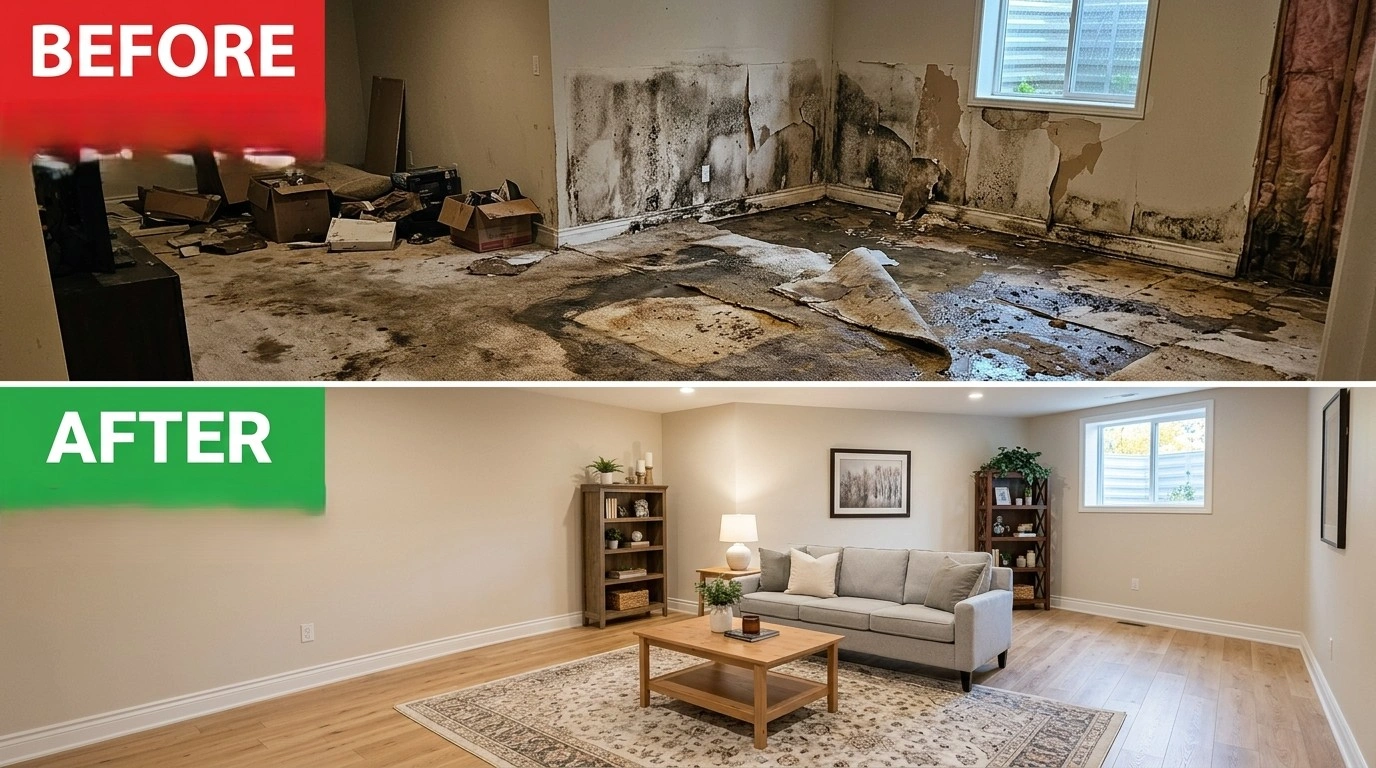
The water source may be unknown or still active. Wet materials may extend beyond the visible puddle.
The plumbing or drainage cause can be identified and addressed, and affected materials can be evaluated for drying, cleaning, or removal.
A homeowner may not know whether a plumber, restoration provider, roofer, or sewer specialist is needed.
You have clearer information for your insurer, landlord, property manager, or restoration provider.
Insurance documentation may be incomplete or unclear.
Documented findings, invoices, and repair records support your claim conversations.
Property occupants may be concerned about odors, mold, contamination, or damage to belongings.
Prevention options can be discussed to reduce future risk, and restoration decisions can be made with better information.
Important: No contractor can promise that every material can be saved or that insurance will cover every loss. The right course depends on the water source, contamination level, condition of materials, policy terms, deductibles, exclusions, and other property-specific factors.
Practical Methods for Water Removal, Moisture Control, and Plumbing-Related Repairs
Water-damage work should match the specific conditions at the property. A clean-water leak from a supply line is different from a sewer backup. A small appliance leak caught immediately is different from water that has traveled beneath flooring or into drywall for days. Larimer Denver Plumbers uses a practical, source-first approach.
Identify and stop or isolate the plumbing source when safe
Assess whether the water is likely clean, gray, or contaminated
Remove standing water and evaluate affected materials
Check likely moisture pathways near floors, walls, cabinets, plumbing penetrations, and utility areas
Recommend drying, cleanup, controlled removal, or restoration steps based on the condition
Coordinate plumbing repairs, drain clearing, sewer inspection, leak detection, water-line repair, or fixture replacement
Provide written findings, scope explanations, and repair recommendations
Commercial Note: For a commercial water damage restoration Denver response, the plan may also include tenant-area containment, after-hours coordination, phased work, restroom or water-service restoration, documentation for facilities teams, and steps to reduce avoidable operational downtime.
Making Informed Decisions After a Leak, Flood, or Sewer Backup
Whether a material can be dried, cleaned, repaired, or replaced depends on the type of water, how long the material remained wet, its construction, contamination concerns, and its condition after drying.
| Situation | Drying or Repair May Be Appropriate | Replacement May Be Recommended |
|---|---|---|
| Clean-Water Leak Caught Quickly | Some non-porous surfaces, limited carpet/flooring areas, accessible materials | Materials that remain swollen, delaminated, stained, warped, or structurally compromised |
| Water Under Flooring | Limited areas if promptly addressed and materials remain stable | Laminate, padding, subflooring, or finishes that swell, trap moisture, or cannot be dried |
| Wet Drywall | Small, clean-water exposure with accessible drying and no deterioration | Saturated, crumbling, contaminated, or extensively wet drywall and insulation |
| Cabinet Water Damage | Surface-level moisture with no swelling or structural damage | Warped particleboard, compromised bases, persistent moisture, or contamination |
| Sewer Backup | Non-porous surfaces may be cleanable depending on conditions | Carpet, padding, porous furnishings, drywall, insulation, and affected porous materials may require removal |
| Repeated Leak or Backup | Targeted repair if underlying cause is corrected | Replacement if repeated water exposure has damaged materials or systems |
Replacement Considerations
Replacement may be the safer option when materials are contaminated, structurally damaged, persistently wet, or unlikely to be returned to an acceptable condition. We explain the findings and help you understand the plumbing repair, cleanup, drying, and restoration decisions involved.
Transparent Pricing Factors and Clear Scope Explanations
The cost of water-damage restoration depends on the source of water, how quickly the problem was stopped, the size of the affected area, the materials involved, water category, access conditions, required plumbing repairs, and whether drying, removal, reconstruction, or sewer work is necessary. Larimer Denver Plumbers provides clear, project-specific information before work begins whenever conditions allow.
Main Cost Factors
- Source of water and whether it is clean, gray, or contaminated
- How quickly the problem was stopped
- Size of the affected area and number of rooms
- Materials involved (carpet, drywall, hardwood, cabinets, insulation)
- Access conditions, floor structure, and moisture spread
- Required plumbing repairs or fixture replacements
- Whether drying, removal, or reconstruction is necessary
- Sewer camera inspection or specialized cleanup needs
Get an Accurate Estimate
Costs cannot be responsibly quoted from a generic web page. A small, contained clean-water leak may require a very different response than a multi-room burst-pipe loss or contaminated sewage backup.
We provide project-specific pricing after evaluating actual conditions. Ask about coordination with sewer line repair or water heater replacement when the water source requires it.
| Service Type | Typical Pricing Considerations |
|---|---|
| Emergency Plumbing Assessment | Time of call, safety conditions, source complexity, accessibility, and required repair |
| Water Extraction | Amount of standing water, affected rooms, flooring type, and equipment needs |
| Moisture Assessment & Drying | Extent of hidden moisture, materials, airflow needs, access, and monitoring |
| Burst-Pipe Repair | Pipe location, material, damage extent, access, and related water cleanup |
| Sewer-Backup Response | Drain/sewer cause, contamination level, affected materials, camera inspection, cleaning, and repair needs |
| Water-Heater Leak Repair or Replacement | Tank condition, connections, fuel/power type, capacity, code requirements, and installation scope |
| Basement Flood Cleanup | Water source, basement finish level, carpet/pad/drywall involvement, drainage issues, and drying requirements |
| Reconstruction | Flooring, drywall, trim, cabinets, paint, fixtures, permits, and material selections |
Signs Your Denver Property Needs Urgent Assessment
You should seek prompt professional guidance when water is active, standing water is present, affected materials cannot be fully inspected, the source is unknown, or the water may be contaminated. Do not wait for visible mold, structural staining, or a second backup before investigating an active source or persistent moisture condition.
Water pouring from a pipe, ceiling, fixture, wall, or water heater
A pipe froze and now leaks during thawing
Water under floors, cabinets, carpet, or baseboards
A flooded basement, crawl space, utility room, bathroom, kitchen, or commercial space
Water coming up from a floor drain
A toilet, tub, shower, or multiple drains backing up at the same time
Sewage odors, dark water, or suspected contaminated water
A washing machine, dishwasher, refrigerator line, or water heater leak
Repeated slow drains, gurgling fixtures, or recurring backups
Wet drywall, bubbling paint, ceiling stains, or a new musty smell
A sudden increase in your water bill that may suggest a hidden leak
A commercial water event affecting customers, tenants, staff, inventory, or operations
Fast Coordination for Offices, Restaurants, Multifamily Properties, Retail & Facilities
Commercial water damage can interrupt operations, affect tenants, create slip hazards, damage inventory, and disrupt essential plumbing fixtures. Larimer Denver Plumbers helps commercial clients respond to leaks, overflows, sewer backups, water-heater failures, pipe breaks, and other plumbing-related water events across Denver County and the metro area through our commercial plumbing services.
| Commercial Service | What It May Include |
|---|---|
| Emergency Water-Loss Assessment | Source identification, immediate safety considerations, and response planning |
| Burst-Pipe & Leak Repair | Shutoff support, pipe repair, leak detection, and damage-control coordination |
| Sewer & Drain Backup Response | Drain clearing, sewer-camera inspection, main-line diagnosis, and cleanup guidance |
| Water-Heater or Boiler Leak Response | Equipment assessment, repair/replacement planning, and water-control support |
| Multifamily Property Coordination | Unit access planning, resident communication support, common-area assessment |
| Commercial Documentation | Service findings, repair recommendations, invoices, and operational next steps |
Commercial Properties Served
- Restaurants, cafes, bars, and food-service facilities
- Hotels, hospitality spaces, and event venues
- Office buildings and professional suites
- Retail centers and mixed-use properties
- Apartment communities, condominiums, and HOA-managed properties
- Schools, churches, nonprofit facilities, and community centers
- Warehouses, logistics spaces, and industrial facilities
- Medical, dental, and professional-service offices
Coordinated Response
We coordinate with owners, facility managers, maintenance teams, commercial tenants, and property managers to help isolate the problem, identify the plumbing cause, document conditions, and establish the next repair and cleanup steps.
Our team can also coordinate with boiler service, pipe repair, and drain services when the water source requires broader plumbing work.
Protect Your Property, Occupants, and Repair Options
Professional support can help you make safer, faster, better-documented decisions after a water event.
Source Control
Addressing the plumbing, fixture, drain, sewer, or water-heater issue helps stop ongoing damage.
Moisture Awareness
Professional assessment can identify likely hidden moisture beyond the visible waterline.
Contamination Distinction
Clean-water events and sewage backups require different precautions and cleanup approaches.
Property Protection
Timely extraction and drying help limit damage to flooring, drywall, cabinets, trim, and contents.
Documentation
Clear notes, photos, invoices, and moisture findings help communicate with insurers or managers.
Prevention Planning
The underlying problem may point to needed drain cleaning, sewer repair, or sump-pump service.
Why DIY Cleanup Is Not Always Safe
Do not treat every water event as a simple mopping job. Some conditions involve serious risks, including electrical exposure, unstable ceilings, contaminated water, sewer gases, slippery surfaces, gas-line concerns, or hidden moisture in building materials.
Water may have contacted electrical outlets, appliances, panels, or extension cords
A ceiling is sagging, bulging, or actively dripping
Water is coming from a toilet, shower, floor drain, or sewer line
You smell sewage, natural gas, burning, or strong chemical odors
Multiple fixtures are backing up at once
Floodwater is moving outdoors or near downed power lines
A large amount of water has affected drywall, carpet, flooring, cabinets, or insulation
You cannot safely reach the water shutoff or do not know where the leak is coming from
Gas Line Safety
If you smell natural gas, leave the area immediately, avoid switches, flames, appliances, phones, or anything that can create a spark, and contact the gas utility from a safe location. Denver also cautions residents to stay clear of floodwater near downed power lines and never drive through floodwater. For active gas line concerns, arrange qualified service after the area is safe.
Answers to Common Water-Damage Questions in Denver
Practical guidance to help you understand what to do first, what to expect, and how to protect your property.
What should I do first after water damage in my Denver home?
If it is safe, stop the water source by shutting off the local fixture valve or the home's main water supply. Stay away from electrical hazards, protect people and pets, move valuables if safe, take photos, and call for help. If the water may be sewage-contaminated or is coming from a floor drain, toilet, or sewer line, avoid direct contact and do not attempt extensive DIY cleanup.
Should I call a plumber or a water-damage restoration company first?
If the water source is active or plumbing-related, call a plumber immediately so the leak, burst pipe, overflowing fixture, water-heater failure, or drain/sewer problem can be stopped. Water extraction and structural drying may also be needed. Larimer Denver Plumbers can help identify the plumbing source and explain the appropriate next steps.
How quickly should standing water be removed?
Standing water should be addressed as soon as safely possible. The longer water remains on or beneath materials, the greater the potential for damage, odors, contamination concerns, and hidden moisture.
Can water be hidden behind walls or under flooring?
Yes. Water can move beneath flooring, behind baseboards, inside wall cavities, under cabinets, and into insulation. A surface may look dry while moisture remains in adjacent materials.
Is water from a floor drain or sewer backup safe to clean myself?
Treat water coming from a floor drain, toilet, sewer line, or multiple backed-up fixtures as potentially contaminated. Avoid contact, keep children and pets away, stop water use if advised, and call for professional assessment and sewer/drain diagnosis.
Does homeowners insurance cover burst-pipe water damage?
Coverage depends on the policy, cause of loss, maintenance history, deductible, exclusions, and other terms. Sudden and accidental internal plumbing failures may be treated differently from external floodwater, gradual leaks, deferred maintenance, or sewer backup. Contact your insurer or agent for policy-specific information.
Is basement seepage from rain or snowmelt covered by insurance?
It depends on the policy and the source of water. Standard homeowners policies commonly treat external floodwater differently from sudden internal plumbing damage. Denver notes that standard homeowners insurance does not cover flood losses, and flood insurance can have separate eligibility, waiting periods, exclusions, and limited basement coverage.
What is the difference between water mitigation and restoration?
Water mitigation generally refers to immediate damage-control work such as source control, extraction, moisture evaluation, drying, and protecting the property from further damage. Restoration refers to repairing or rebuilding affected finishes and spaces after conditions are stabilized and dry.
How long does water-damage drying take?
The timeline depends on the source, water category, materials affected, extent of moisture, airflow, humidity, access, and whether repairs are needed first. Avoid relying on a blanket number of days; the property should be evaluated based on actual conditions.
Can carpet, drywall, cabinets, and flooring be saved?
Some materials may be dried or repaired after a clean-water event caught quickly. Others may need removal or replacement, particularly when they are contaminated, swollen, warped, saturated, deteriorated, or unable to dry effectively.
What records should I keep for an insurance claim?
Keep photos and videos of the damage before cleanup when safe, notes about when you discovered the issue, receipts, invoices, communications, repair findings, and any moisture or damage documentation provided by service professionals. Coverage decisions remain with the insurer under your policy terms.
Clear Communication from Emergency Response to Repair Planning
Larimer Denver Plumbers is committed to practical, safety-first help when water affects your Denver property. We focus on identifying the source, helping control the immediate problem, explaining the conditions we find, and outlining responsible repair, cleanup, drying, and prevention options.
If a plumbing repair we complete requires follow-up under its applicable workmanship or manufacturer warranty terms, we will review the issue and explain available corrective options. Specific warranty coverage depends on the service, materials, manufacturer terms, conditions, and written agreement for the work performed.
Whether you need emergency leak detection, drain cleaning, sewer repair, water heater service, or coordinated water damage response, our team is here to help you make informed decisions during a stressful property emergency.
Our Address
Larimer Denver Plumbers329 Detroit St
Denver, CO 80206
United States
Credentials That Support Plumbing-Source Diagnosis and Safe Repair Work
Water-damage response often begins with plumbing expertise. A burst pipe, failed water heater, toilet overflow, leaking supply line, sewer backup, drain obstruction, or hidden water leak needs to be properly diagnosed before the property can be fully stabilized. Larimer Denver Plumbers maintains a team positioned to support plumbing-related water-damage work with relevant trade knowledge and service capability.
Master Plumber License
Journeyman Plumber License
Residential Plumber License
Backflow Prevention Certification
Medical Gas Certification
Fully Insured Operations
Insurance Coverage: Our operations include general liability insurance, workers' compensation insurance, commercial auto insurance, contractors' errors and omissions coverage, and tools and equipment coverage. Credentials, licenses, insurance policies, technician qualifications, and scope of work should be confirmed directly for a specific project.
Rapid Help for Burst Pipes, Sewer Backups, Leaks & Water-Related Emergencies
Water damage can become more disruptive as time passes. Larimer Denver Plumbers provides 24/7 emergency support for urgent plumbing-related water events throughout Denver and the surrounding metro area.
Emergency Response Process
- Immediate phone consultation to understand the source, risk level, affected area, and safety concerns
- Dispatch planning based on the situation, location, technician availability, and needed equipment
- On-site plumbing assessment to identify the source of the leak, backup, overflow, or equipment failure
- Source-control recommendations and emergency repair options when safe and appropriate
- Water-damage evaluation for standing water, affected materials, contamination risk, and likely moisture spread
- Repair, cleanup, drying, documentation, and prevention recommendations
Common Emergency Scenarios
- Burst or frozen pipes
- Leaking water heaters
- Overflowing toilets
- Sewer backups
- Water coming up through basement floor drains
- Main-line drain backups
- Appliance supply-line failures
- Hidden leaks and slab-leak concerns
- Sump-pump failures
- Flooded utility rooms, bathrooms, kitchens, crawl spaces, and basements
Documentation Support Without Coverage Promises
A water-loss event can create urgent questions about insurance: "Should I call my insurer first?" "Will this be covered?" "What should I photograph?" "Do I need moisture readings?" "Can I choose my own contractor?" Larimer Denver Plumbers can provide documentation related to the plumbing issue and work performed, which may help you communicate with your insurer, adjuster, property manager, landlord, or restoration provider.
Initial plumbing findings and observed conditions
Photos of visible plumbing damage where appropriate
Leak, pipe, fixture, drain, sewer, or water-heater diagnosis
Repair recommendations and invoices
Notes explaining the likely cause of a plumbing failure when determinable
Records of completed plumbing repairs and recommendations for further work
Coverage Note: Insurance coverage is not guaranteed. It depends on your specific policy, endorsements, exclusions, maintenance history, cause of loss, deductible, insurer investigation, and other factors. Sewer backup, sump-pump failure, external flooding, long-term leaks, and mold-related damage may be treated differently under different policies.
Understand Applicable Workmanship and Product Protection
Warranty coverage depends on the specific plumbing repair, replacement part, water heater, pipe material, fixture, or equipment involved in the water-damage event. Larimer Denver Plumbers explains applicable warranty terms in writing for qualifying work.
| Coverage Type | What It May Cover |
|---|---|
| Workmanship Coverage | Applicable labor warranty for qualifying plumbing repairs or installations |
| Parts & Equipment | Manufacturer warranty for eligible installed products or components |
| Water-Heater Equipment | Manufacturer coverage may vary by model, installation, registration, and maintenance requirements |
| Documentation | Invoices and project records that may support future service or warranty questions |
Warranty Note: Warranty terms vary by product, manufacturer, repair type, site condition, prior damage, maintenance history, and written agreement. Water-damage cleanup, drying, mold, restoration, building finishes, and insurance coverage may involve separate providers, agreements, or warranty terms.
Tools, Plumbing Parts, and Emergency-Response Capability When Water Problems Cannot Wait
Larimer Denver Plumbers operates with 10 fully equipped service vans to support scheduled plumbing appointments and urgent water-related calls across Denver and surrounding communities. Our service vehicles are prepared for a range of plumbing-related water emergencies.
Leak-detection and plumbing diagnostic equipment
Pipe-repair tools and common plumbing components
Drain-cleaning and sewer-assessment equipment
Water-heater repair and replacement support
Fixture, valve, supply-line, and shutoff components
Tools for sump-pump, drain, water-line, and sewer-related service
Equipment Note: Vehicle inventory varies by technician, current demand, service location, and the type of emergency. If specialized equipment, extraction, restoration, or reconstruction is required, we explain the appropriate response plan.
Planning for Urgent Plumbing Repairs and Larger Restoration Decisions
A burst pipe, sewer failure, major leak, water-heater replacement, repiping need, or extensive water-damage repair can create an unplanned expense. Larimer Denver Plumbers can discuss available payment and financing options for qualifying major plumbing projects and system replacements.
Water & Sewer Line Repair
Major water-line or sewer-line repair.
Water Heater Replacement
Standard and tankless water heater replacement.
Boiler Replacement
Boiler replacement for hydronic and heating systems.
Repiping Projects
Whole-home repiping projects.
Sump Pump & Drainage
Sump-pump replacement and drainage upgrades.
Commercial Projects
Commercial or multifamily plumbing projects.
Financing Note: Financing availability, terms, qualification requirements, interest, fees, project eligibility, and repayment timelines vary. Ask our team about current options before approving work.
Commitment to Dependable Service Across Denver and Nearby Communities
Larimer Denver Plumbers is built around responsive service, clear communication, and long-term support for residential and commercial plumbing customers. Our team serves Denver properties with emergency plumbing, water-damage response support, drain and sewer work, leak detection, water-heater services, pipe repairs, and related plumbing solutions. We focus on helping customers make informed decisions during stressful property emergencies.
BBB Torch Awards for Ethics
ColoradoBiz Top Company Awards
Quality Business Awards
The Denver Post Top Workplaces
Nextdoor Neighborhood Faves
Special Savings for Qualifying Customers
Larimer Denver Plumbers offers special benefits for qualifying senior and first responder customers. Ask our team about current eligibility, participating services, exclusions, and available promotions when you schedule service.
Senior Benefits
Senior benefits on qualifying plumbing or water-damage-related service visits.
First Responder
First responder benefits for eligible customers.
Sewer & Drain Savings
Sewer and drain savings opportunities.
Water Heater Incentives
Water-heater incentives when applicable.
Seasonal Offers
Routine-maintenance and seasonal service offers.
Service Call Credit
Instant service call credit where available.
24/7 Emergency Availability When Water Problems Cannot Wait
Water damage does not follow business hours. Larimer Denver Plumbers provides around-the-clock emergency service for urgent plumbing-related water problems throughout Denver and the surrounding metro area.
Contact Details
Phone: (720) 343-5151
Email: larimerdenverplumbers@gmail.com
Website: emergencyplumbingdenverco.com
What to Look for When Choosing a Local Water-Damage and Plumbing-Response Provider
When you are dealing with water everywhere, a flooded basement, a burst pipe, or a sewer backup, it is important to choose a provider that explains the response clearly and can address the source of the problem, not only the visible water.
| Important Consideration | Larimer Denver Plumbers | What to Confirm With Any Provider |
|---|---|---|
| Plumbing-Source Diagnosis | Full plumbing-service capability for leaks, pipes, fixtures, water heaters, drains, sewer | Whether the provider can identify and repair the source or only perform cleanup |
| Emergency Availability | 24/7 emergency service | Actual after-hours availability and dispatch process |
| Water-Damage Coordination | Assessment, source control, plumbing repair, and next-step guidance | Whether extraction, drying, contamination, and restoration needs are clearly explained |
| Sewer & Drain Support | Drain cleaning, sewer camera inspection, hydro jetting, sewer repair | Whether sewer backups receive appropriate safety and diagnosis attention |
| Commercial Capability | Support for commercial, multifamily, HOA, and property management | Ability to coordinate access, documentation, tenants, and multiple units |
| Documentation | Clear service findings, repair recommendations, and invoices | Whether records are provided for insurers, managers, or owners |
| Local Coverage | Denver and surrounding metro communities | Whether the company genuinely serves your location |
Key Point: The right company should explain what it knows, what it still needs to inspect, what the immediate risks are, and what actions are recommended. Be cautious of anyone who guarantees insurance coverage, promises a fixed arrival time they cannot substantiate, or gives a final restoration price without assessing actual conditions.
Talk with a Local Team About the Water Emergency Affecting Your Property
If you have an active leak, burst pipe, wet basement, sewer backup, leaking water heater, toilet overflow, hidden moisture concern, or plumbing-related water damage, Larimer Denver Plumbers is ready to help. Call us for emergency guidance, source diagnosis, plumbing repair, water-damage assessment, and clear next steps.
Contact Larimer Denver Plumbers
Denver, CO 80206
United States
Hours of Operation
Request an Online Water Damage Estimate
Submit your request below for prompt confirmation. Describe the water source (burst pipe, sewer backup, water heater, appliance leak, basement seepage), affected areas, and any safety concerns.
Protect your home, business, occupants, and property records with professional water damage restoration Denver residents and businesses can rely on from Larimer Denver Plumbers.